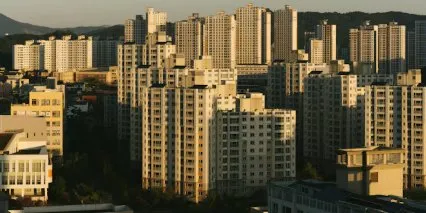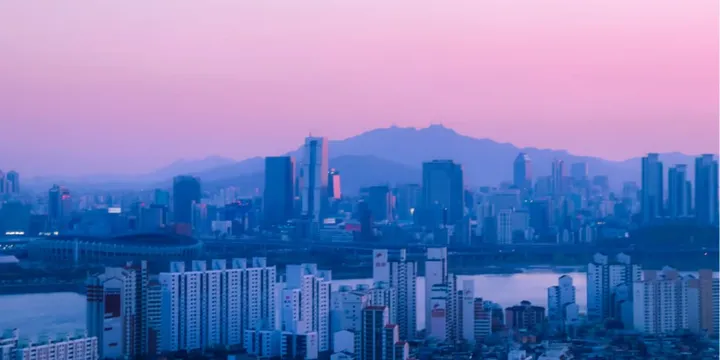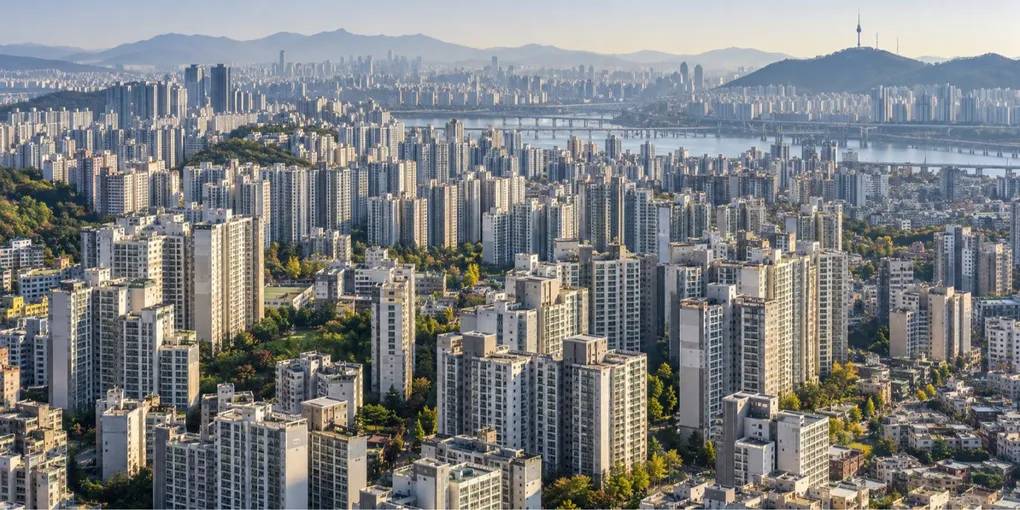
If you have looked at listings in Seoul, the numbers can be a shock. In June 2026, the average apartment in Seoul was priced at about 1.58 billion won, according to KB Real Estate. A year earlier the average was about 1.38 billion won.
So why are Korean apartments, especially in Seoul, so expensive? There is no single reason. Five forces work together, and knowing them will help you read the market whether you plan to rent or buy.
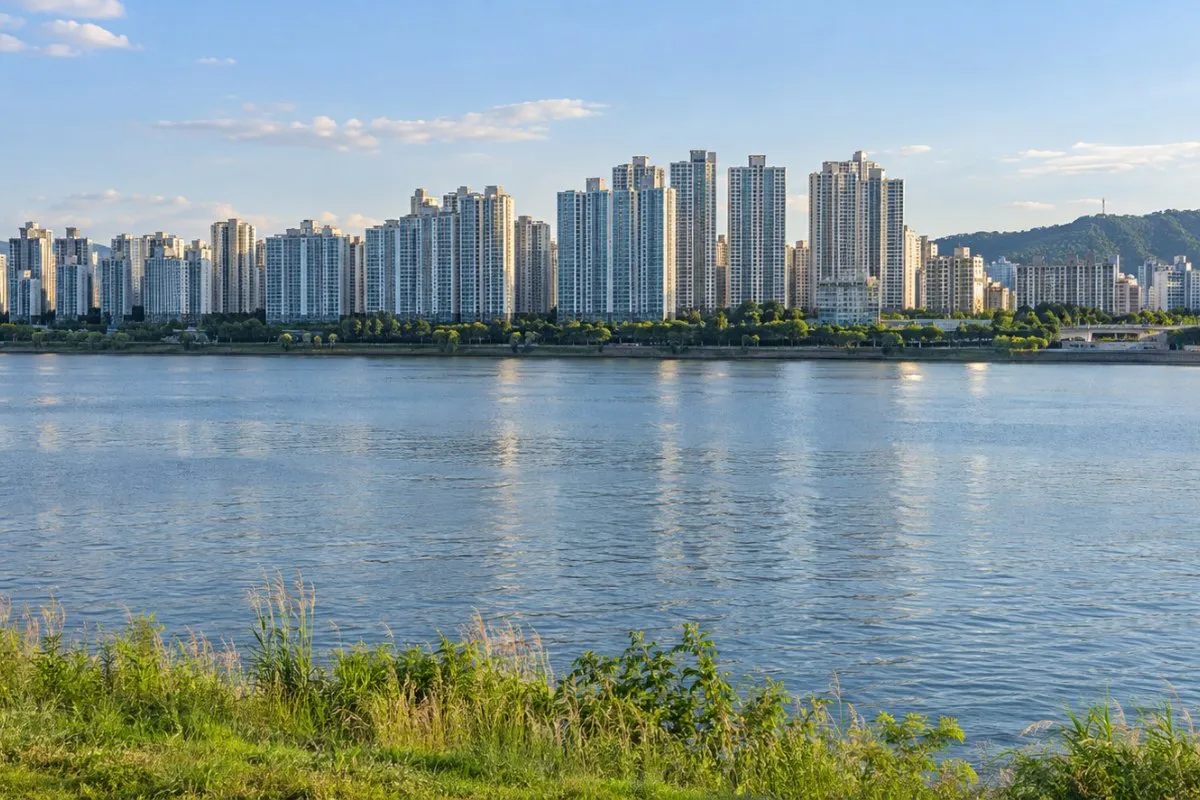
1. Half the country lives in one region
Korea is small, and its people are packed into one corner of it. In the 2025 census, 50.9% of the population lived in the Seoul capital area (Seoul, Incheon and Gyeonggi Province), up 0.7 percentage points from 2020.
The best-paying jobs, top universities, major hospitals and company headquarters are concentrated there too. When jobs stay in one place, people follow, and so does housing demand. Land in central Seoul is limited, so prices rise instead of spreading out.
2. Apartments are the default home
In many countries, apartments are a starter option. In Korea, they are the home most families want. Large branded apartment complexes come with parking, playgrounds, security, gyms and nearby schools, and they are easy to compare and resell.
Because apartments are standardized, buyers treat them almost like a financial asset. Prices for the same complex are tracked closely, which makes it easy for rises in one popular area to spill into the next.
3. School districts carry a premium
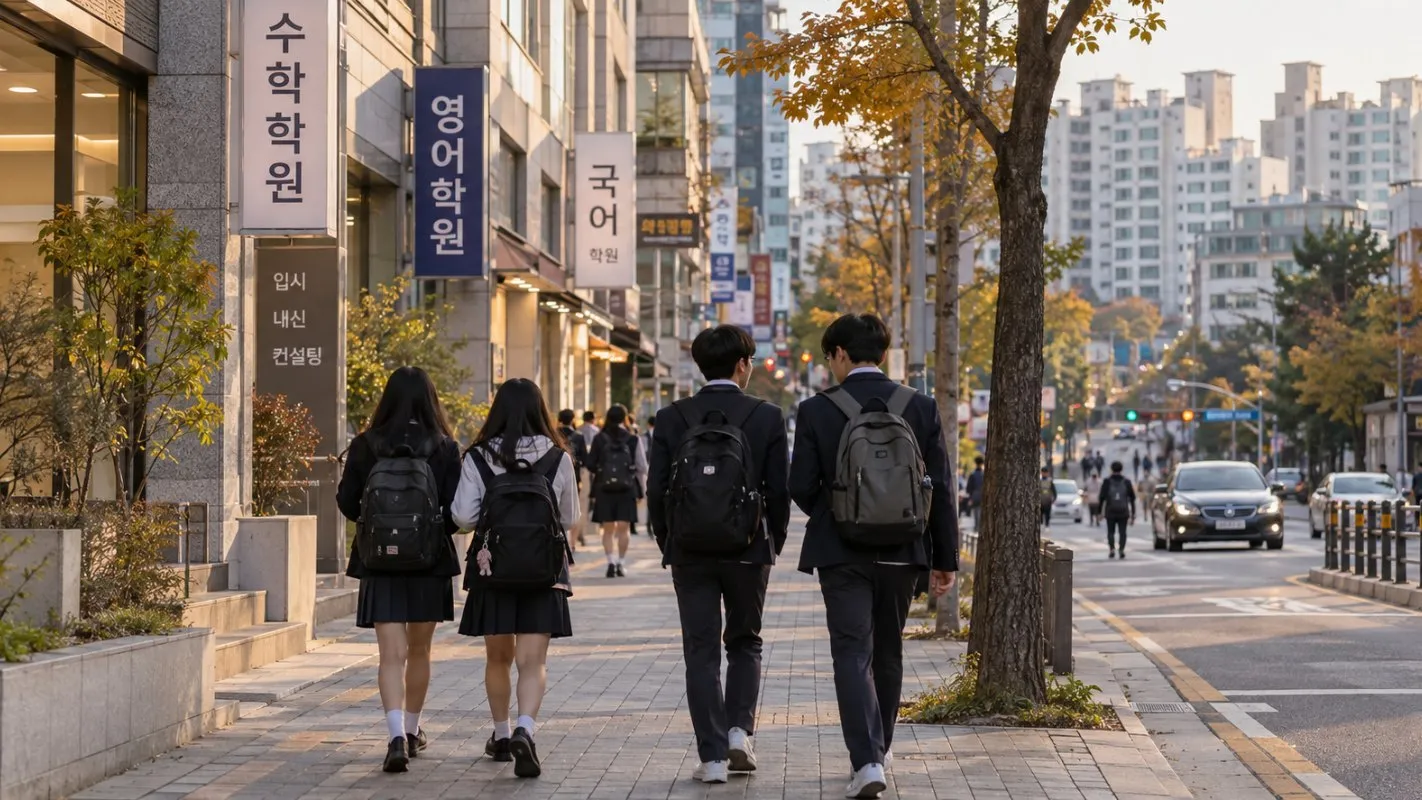
Education is a huge factor in where Korean families live. Neighborhoods with strong schools and private academies (hagwon) cost far more than similar homes a few stations away. Gangnam and Seocho, in southern Seoul, are the best-known example (see the box below for how that started).
Parents often stretch their budgets, or rent rather than buy, just to live inside a school district boundary.
4. Cheap money and the jeonse system
Korea’s unique lease system, jeonse, lets tenants pay a large lump-sum deposit instead of monthly rent. For years, some buyers used a tenant’s jeonse deposit to cover much of a purchase price. This “gap investment” let people buy homes with less of their own cash.
When interest rates fell to record lows in 2020 and 2021 (the Bank of Korea’s base rate dropped to 0.5%), borrowing became cheap and prices surged. Rates rose again from 2022 and prices dipped for a while, but the Seoul average climbed past 1.5 billion won for the first time in late 2025.
5. Supply cannot keep up where people want to live
New homes in central Seoul mostly come from tearing down and rebuilding old apartment complexes. Redevelopment takes many years, needs owner agreement, and is shaped by changing regulations. Meanwhile, new towns on the edge of the capital area add homes, but far from the jobs people commute to.
The result is a steady shortage of homes in the places buyers want most.
How the government is pushing back
Authorities have tried repeatedly to cool prices. One of the biggest packages came on October 15, 2025:
| Measure | What changed |
|---|---|
| Land transaction permits | All of Seoul and 12 areas of Gyeonggi now need permission before buying an apartment |
| Owner-occupancy rule | Buyers in those areas must live in the home for 2 years, which effectively ends “gap investment” |
| Mortgage caps (capital area and regulated zones) | 600 million won for homes up to 1.5 billion won; 400 million won for 1.5–2.5 billion; 200 million won above 2.5 billion |
| Loan-to-value | Cut from 70% to 40% for first-time buyers without a home in regulated areas |
These rules make buying harder, but they do not create new homes. Many economists argue that long-term prices depend more on supply and on where jobs are located.
What it means for you
A useful yardstick is the price-to-income ratio. For Seoul apartment buyers who took a KB Kookmin Bank mortgage in early 2026, the median home cost 10.2 times the median borrower’s annual income (a 930 million won home against a 91.5 million won income, Q1 2026, KB Real Estate).
Only in Korea: the high school that moved a city’s center of gravity
In 1976, Kyunggi High School, one of the country’s most famous schools, left its hilltop campus in central Seoul for Samseong-dong, in what was then the newly developing Gangnam area. The government wanted to draw people south of the Han River, and other well-known schools followed. Families moved with them, academies opened nearby, and the area became the “8th school district,” still one of the most expensive places to live in Korea.
Quick checklist before you rent or buy
- Compare the same complex over several years, not just today’s listing.
- Check whether the area is a land transaction permit zone before signing anything.
- Ask a bank early how much you can borrow; caps depend on price and location.
- If you are renting, look at areas one or two subway stops outside a famous school district. The commute may be similar and the price very different.
- Read our guides on jeonse and Korea’s property registry before paying any deposit.
This article is general information, not legal or financial advice. Figures and rules are as of October 2026 and can change; check with a bank or licensed agent before making decisions.