How Korea's Jeonse System Works: The Lump-Sum Deposit Lease Explained
In most countries, renting a home means paying rent every month. South Korea has long had a different option. Under jeonse (전세), a tenant hands the landlord a large lump-sum deposit at the start of the lease, pays no monthly rent at all, and gets the full deposit back when they move out.
The deposit is not small. It is often well over half of what the home would sell for. That makes jeonse one of the most unusual rental systems in the world, and one of the most important things to understand about Korean housing.
How a jeonse contract works
A typical jeonse lease runs for two years. The basic flow looks like this:
- The tenant pays the deposit. Usually a small down payment when the contract is signed, and the balance on move-in day.
- The tenant lives in the home rent-free. They still pay their own utilities and building maintenance fees.
- The landlord returns the full deposit at the end. No interest is added, and nothing is deducted except for damage or unpaid bills.
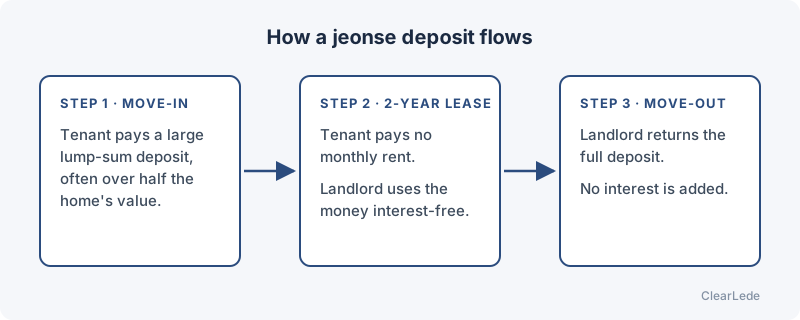
For example, a tenant might put down 300 million won to live in an apartment that would sell for around 500 million won. Two years later, they get the same 300 million won back.
Why would a landlord agree to this?
It looks like the landlord gives away free housing. In practice, the landlord gets something valuable: the use of a large sum of money, interest-free, for two years.
- Interest income. For decades, Korean deposit rates were high enough that a landlord could live off the interest on a jeonse deposit.
- Leverage for buying property. Many landlords used deposits to buy homes with very little of their own money. A buyer might pay the difference between the purchase price and the jeonse deposit, then count on rising prices. Koreans call this “gap investment” (갭투자).
For tenants, jeonse worked as a kind of forced savings. Instead of losing money to rent each month, their money sat with the landlord and came back in full.
Deposits versus monthly rent
Most Korean leases today are not pure jeonse or pure monthly rent. Many are a mix: a smaller deposit plus a monthly payment, sometimes called “half-jeonse” (반전세).
When part of a deposit is converted into monthly rent during an existing lease, Korean law caps the conversion rate at the Bank of Korea base rate plus two percentage points. Market rates for new contracts can differ, and they are published regularly by public sources such as the Seoul housing information portal.
Why jeonse is shrinking
Jeonse is fading fast. According to the housing ministry’s monthly statistics, monthly-rent contracts made up about 68% of all rental transactions nationwide in the first seven months of 2026, up from about 48% in 2022. Even for Seoul apartments, the traditional stronghold of jeonse, monthly rent now accounts for more than half of new leases.
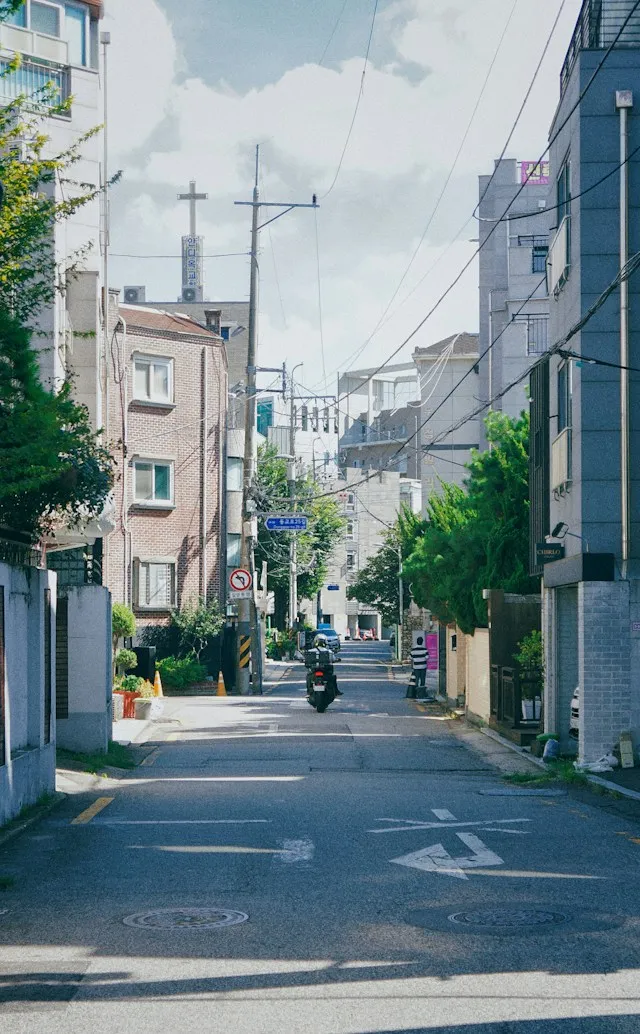 Low-rise multi-unit buildings like these were at the center of Korea’s jeonse fraud crisis. Photo: Unsplash
Several forces are behind the shift:
- The jeonse fraud crisis. In 2022 and 2023, thousands of tenants, mostly in low-rise multi-unit buildings known as villas, lost deposits when landlords who owned many units could not repay them. Some deposits had been larger than the homes were worth.
- Higher interest rates. When rates rose, the interest cost of borrowing for a deposit made monthly rent look cheaper for many tenants.
- Tighter lending rules. Recent restrictions on jeonse loans and on buying homes that are rented out have reduced the supply of jeonse listings.
The main risk: getting your deposit back
A jeonse deposit is often the largest sum a young Korean household has. The core risk is simple: the landlord may not be able to return it.
This happens most often with what Koreans call “empty can jeonse” (깡통전세), where the deposit plus the landlord’s mortgage is close to or above the home’s actual value. If prices fall, or if the landlord was relying on the next tenant’s deposit to repay the current one, the money may not be there.
How tenants protect their deposit
Korean tenants have several tools, and careful renters use all of them.
Check the property registry before signing. The official registry (등기부등본) shows who owns the home and whether there are mortgages, liens, or seizures on it. When we inspect properties, this is the first document we check.
Register your move-in and get a fixed date. Filing a move-in report (전입신고) and getting a “fixed date” (확정일자) stamp on the contract gives the tenant legal priority to recover the deposit if the home is auctioned. Both should be done on move-in day.
Buy deposit return insurance. Public guarantors, led by the Korea Housing & Urban Guarantee Corporation (HUG), will repay the deposit if the landlord cannot, then pursue the landlord themselves. HUG’s standard product currently requires:
- A deposit of 700 million won or less in the Seoul metropolitan area, or 500 million won or less elsewhere
- A deposit plus the landlord’s existing debt within 90% of the home’s value as HUG calculates it
- An application before half of the lease term has passed
For villas and similar buildings, HUG values the home at 140% of its official assessed price. Applying the 90% limit gives the widely cited “126% rule”: the deposit generally needs to stay under 126% of the official price. Annual premiums are roughly 0.1% to 0.2% of the deposit.
Report the lease. Most leases above small thresholds must be reported to the local government within 30 days. Reporting can also record the fixed date automatically.
Renewal rights and the 5% cap
Since 2020, tenants have had the right to request one renewal of their lease for two more years, often called “2+2.” When a tenant uses this right, the landlord can raise the deposit or rent by no more than 5%. A landlord can refuse in limited cases, such as moving into the home themselves.
As of September 2026, these rules remain in force, but the government and ruling party have been discussing changes, so tenants should check the current law before relying on them.
What foreign residents should know
Foreign residents can sign jeonse contracts. Registering a change of address with the immigration office serves a role similar to a Korean citizen’s move-in report. For HUG insurance, the tenant’s visa generally needs to remain valid beyond the end of the lease.
The bottom line
Jeonse is a product of an era of high interest rates and steadily rising home prices. Both conditions have weakened, and a series of fraud cases exposed how much risk tenants were carrying. The system is not disappearing overnight, but Korea is steadily becoming a monthly-rent country.
For anyone renting in Korea today, the practical lesson is clear: check the registry, register your move-in, and insure the deposit.