Seoul is huge, and two neighborhoods twenty minutes apart can feel like different cities. The best place for you depends on three things more than anything else: where you work or study, your budget, and how much English you want around you.
Here is a practical map of the areas foreign residents choose most often.
Quick comparison
| Area | Feel | Good for | Cost |
|---|---|---|---|
| Itaewon, Hannam, Yongsan | International, embassies, nightlife | First-time arrivals, families wanting English services | High |
| Mapo: Hongdae, Yeonnam, Mangwon, Gongdeok | Young, creative, cafés | Students, freelancers, young workers | Mid |
| Seongsu | Trendy, renovated factories | Young professionals | Mid to high |
| Gangnam, Seocho | Business, schools, polished | Office workers, families | Highest |
| Jamsil, Songpa | Large complexes, parks | Families | High |
| Yeouido | Finance district | Bankers, short commutes | High |
| Gwanak (Sillim, Seoul National Univ. area) | Student town | Tight budgets | Low |
| Nowon, Dobong (north) | Residential, quiet | Families on a budget | Low to mid |
International and central: Itaewon, Hannam, Yongsan
This is the classic expat base. You will find English-speaking doctors, international groceries, foreign restaurants and many landlords used to foreign tenants. Hannam-dong is upscale and popular with embassy staff and families; Itaewon itself is livelier and noisier. Central location means easy access to both sides of the river.
Young and creative: Mapo and Seongsu
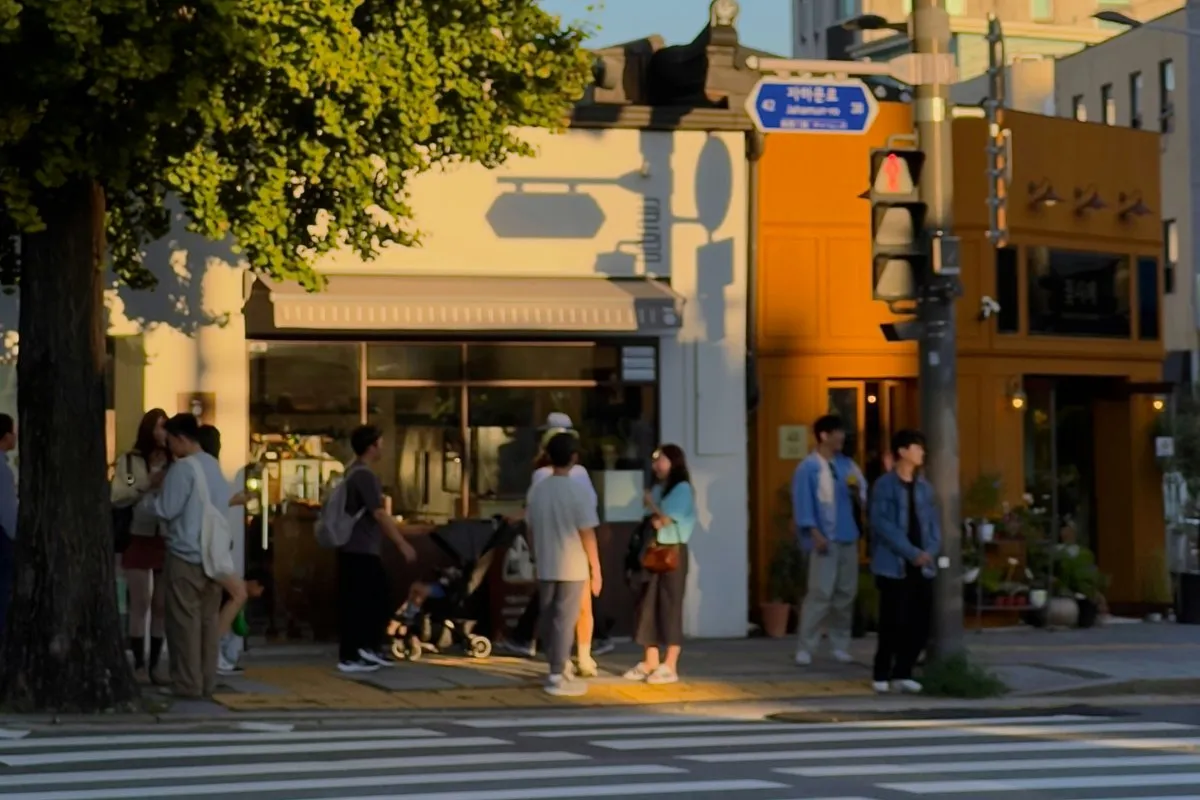
Hongdae, Yeonnam and Mangwon in Mapo-gu are full of cafés, small bars and studios, with good subway and airport rail links. Gongdeok is quieter and convenient for commuters. Seongsu, in the east, has turned old factories into cafés and offices and has become one of the city’s most fashionable areas, with prices to match.
Business and family hubs: Gangnam, Seocho, Songpa, Yeouido
If you work in Gangnam, living nearby saves hours a week, but it is the most expensive part of the city. In June 2026, the average one-room rent in Gangnam-gu was about ₩1.02 million a month, compared with about ₩640,000 for Seoul overall, according to the listing platform Dabang. Seorae Village in Seocho has a long-established French community and an international school. Jamsil offers big parks and family complexes, and Yeouido is the choice for finance workers.
Budget-friendly: Gwanak and the north
Sillim and the Seoul National University area in Gwanak-gu are some of the cheapest places to rent a one-room in the city, with a large student population. In the north, Nowon and Dobong offer quieter residential life and lower prices, at the cost of a longer commute downtown.
How to choose
- Start from your commute. Pick neighborhoods within 30–40 minutes of work or school by subway. Seoul’s subway is excellent, but transfers add up
- Set the budget first, including the deposit. See our cost of living guide
- Visit at night and on a weekend. Nightlife streets can be loud; quiet areas can feel empty
- Check the building type. A villa in a good area can cost less than an officetel in a busy one; see our housing types guide
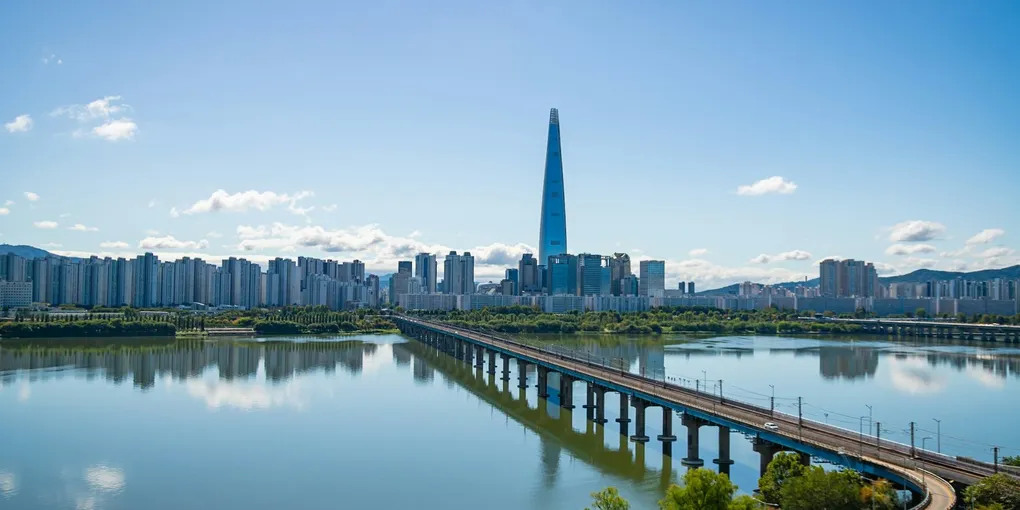
Only in Korea Seoul is split by the Han River into Gangbuk (north) and Gangnam (south), and the divide still shapes prices, schools and stereotypes. “Gangnam” in daily speech often means the whole wealthy south bank, not just Gangnam-gu.
Quick checklist
- Map your commute before you look at listings
- Decide your deposit and monthly budget first
- Shortlist two or three neighborhoods, not ten
- Visit at night and on a weekend
- Check the nearest subway line, supermarket and clinic
- Ask if the landlord has rented to foreign tenants before
This article is general information. Prices and neighborhood character change over time; check current listings with a licensed agent. Information as of October 2026.