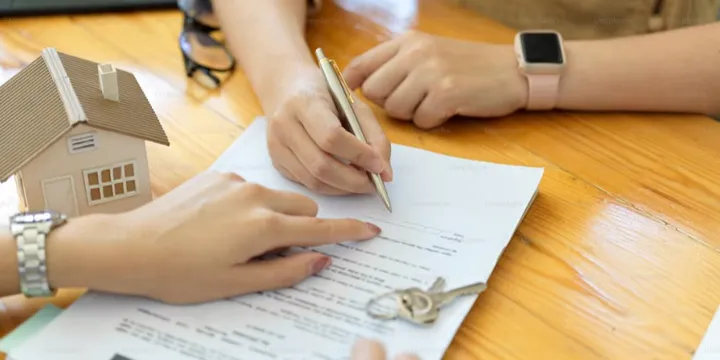
In Korea your deposit is often the largest sum of money you own. Getting it back is usually smooth, but only if you follow the right order. Move out or change your address too early, and you can lose the legal protection that makes the landlord pay you first.
Step 1: Give notice at the right time
Korean leases usually run for two years. Under the Housing Lease Protection Act:
- If you want to leave at the end of the lease, tell the landlord at least two months before it ends. Do it in writing, such as a text message, so you have a record
- If neither side says anything in that window, the lease renews automatically on the same terms. After an automatic renewal, you can leave at any time with three months’ notice
- If you want to stay, you can use your one-time renewal right for two more years, and the rent or deposit can rise by no more than 5%
Step 2: Prepare the apartment
You must return the unit in its original condition, but normal wear and tear is not your cost: faded wallpaper, small nail holes and aging appliances are expected after two years. Damage you caused, such as broken fixtures or heavy stains, can be deducted.
Take photos and video of every room on moving day, just as you hopefully did when you moved in.
Step 3: Settle the bills
Before the final handover, settle:
- The last maintenance fee, usually calculated by the management office up to your moving day
- Final electricity, gas and water readings
- Internet and TV contracts in your name, which may charge an early cancellation fee
Also ask the management office for your long-term repair reserve certificate. That money is the owner’s cost and is refunded to you; our maintenance fee guide explains how.
Step 4: Get paid before you give up your protection
Your legal priority over other creditors depends on three things together: living in the unit, your registered address, and the fixed date (확정일자) on your lease. For foreign residents, the address report to immigration (체류지 변경신고) has the same effect as a Korean move-in report.
So the safe order is:
- Receive the full deposit, ideally by bank transfer on moving day
- Hand over the keys and door code
- Then report your new address, within 15 days of moving
If you report a new address before the deposit is paid, you may lose your priority if the landlord later runs into debt.
If the landlord does not pay
Most delays are about the landlord waiting for the next tenant’s deposit. If the lease has ended and the money is not coming:
- Send a formal demand letter (내용증명) stating the end date, the amount, your account number and a deadline
- Apply for a lease registration order (임차권등기명령) at the district court. Once it is registered, you can move out and change your address without losing your priority
- Use mediation or court: the Housing Lease Dispute Mediation Committee is quick and cheap, and a payment order (지급명령) or lawsuit is the next step
- Claim your guarantee if you bought deposit return insurance, such as HUG’s jeonse deposit return guarantee
Only in Korea In many countries a deposit is one or two months’ rent. In Korea it can be tens or hundreds of millions of won, which is why the law gives tenants a special priority claim on the building itself, and why the timing of a simple address change matters so much.
Quick checklist
- Notify the landlord in writing at least two months before the lease ends
- Photograph the unit on moving day
- Settle the final maintenance fee and utilities
- Get the long-term repair reserve certificate
- Receive the full deposit before handing over the keys
- Report your new address only after you are paid, within 15 days
- If unpaid, apply for a lease registration order before moving your address
This article is general information, not legal advice. For large deposits or disputes, consult a lawyer or the Korea Legal Aid Corporation (132). Information as of October 2026.