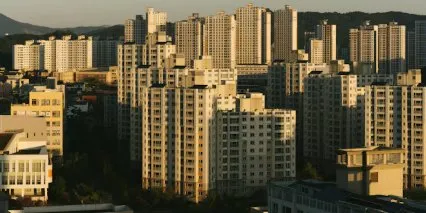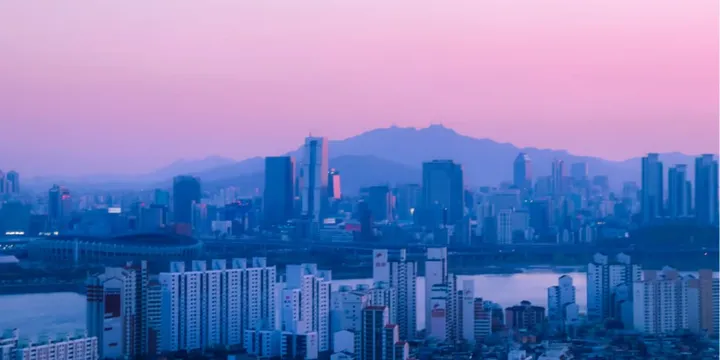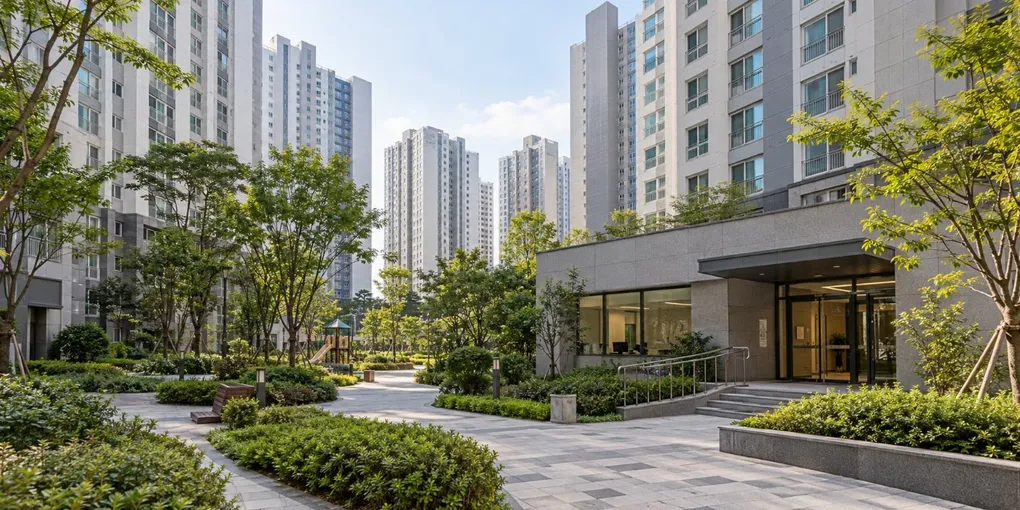
Your rent is not your only monthly housing bill in Korea. Almost every building also charges a maintenance fee, called gwanribi (관리비). In a large apartment complex it can be a serious amount, and in winter it can jump sharply.
This guide explains what the fee covers, what is normal in 2026, and the one part tenants can get back.
What the fee covers
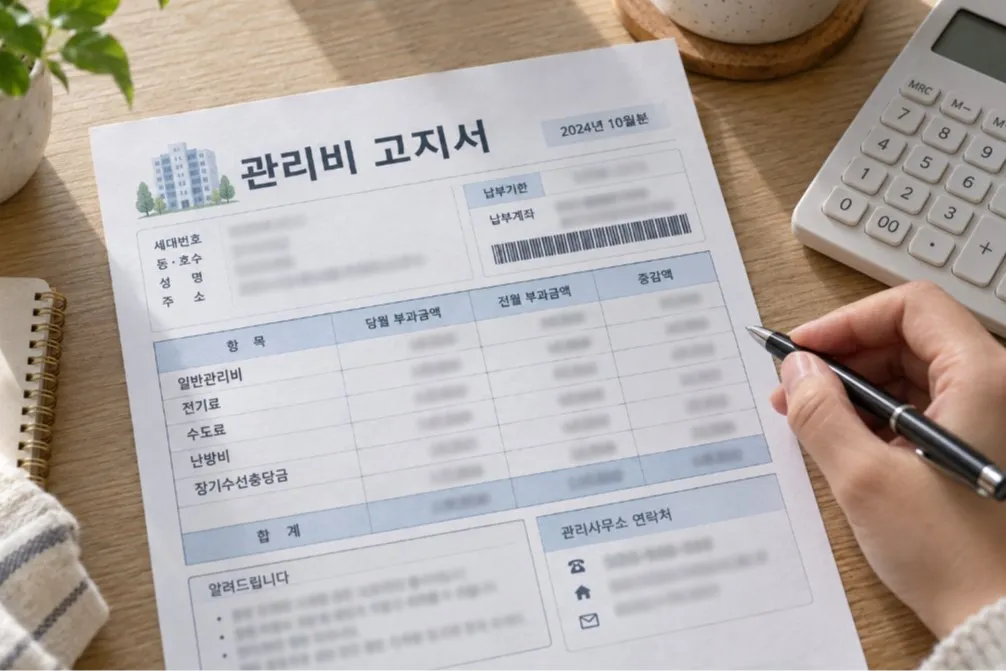
An apartment maintenance bill usually has three parts.
| Part | What it pays for | Who really bears it |
|---|---|---|
| Common management fees | Management office staff, cleaning, security, elevators, disinfection, routine repairs | The occupant |
| Individual usage fees | Your own electricity, water, heating and hot water; sometimes gas | The occupant |
| Long-term repair reserve (장기수선충당금) | Savings for big future work such as elevator replacement, repainting and new pipes | The owner |
In large complexes, everything arrives on a single monthly bill, often viewable in an app as well as on paper.
How much is normal
Apartment fees are usually compared per square meter. In early 2026, the average apartment maintenance fee in Seoul was above ₩3,300 per m² a month, according to the national apartment management system K-apt. That is roughly ₩280,000 a month for an 84 m² unit, a typical three-bedroom. Older complexes with central heating and large complexes with many shared facilities can cost much more in winter.
Small buildings work differently. One-rooms, villas and officetels usually charge a flat fee set by the landlord. Near Seoul universities, one-room maintenance fees averaged about ₩82,000 a month in January 2026, according to the listing platform Dabang.
The part you can get back
The long-term repair reserve is legally the owner’s cost, because it pays for the building’s future value. But tenants pay it every month as part of the bill. So when you move out, the landlord must refund it.
The amount adds up. With the reserve averaging about ₩295 per m² a month in 2026, a tenant in an 84 m² apartment pays roughly ₩590,000 over a two-year lease.
To claim it:
- Ask the management office for a payment certificate (장기수선충당금 납부확인서) before you move out
- Show it to the landlord when the deposit is returned
- Make sure it is settled together with your deposit
Routine repair costs (수선유지비) are not refundable; only the long-term reserve is. Watch for lease clauses saying the tenant bears the reserve, and question them before you sign.
Flat fees in small buildings: ask what is included
A listing that says “maintenance fee ₩100,000” can mean very different things. Ask:
- Does it include water, internet and cable TV?
- Are electricity and gas billed separately?
- Does it change in winter?
Online listings for small buildings with a flat fee of ₩100,000 or more are now expected to show the breakdown, but always confirm it with the agent and write it into the contract.
Why winter bills jump
Heating is often the biggest swing. Complexes on district or central heating bill heating through the maintenance fee, so a December bill can be far higher than a May bill. Buildings with individual gas boilers keep heating on a separate gas bill instead. Ask which type the building uses, and ask to see a winter bill if you can.
Only in Korea Most apartment complexes have their own on-site management office (관리사무소), with staff, security guards and cleaners who work for the residents. It handles everything from parcel rules to parking stickers, and it is the first place to go when something in the building breaks.
Quick checklist
- Ask for the average monthly fee, including a winter month
- Find out what a flat fee includes and excludes
- Check the heating type: individual boiler or district/central heating
- Keep paying on time; unpaid fees can be deducted from your deposit
- Get the long-term repair reserve certificate before you move out
- Settle the reserve refund together with your deposit
This article is general information, not legal advice. Fees vary widely by building and season. Figures are from K-apt and Dabang as reported in 2026; information as of October 2026.