
Getting mobile data in Korea is easy. The harder question is whether you need a Korean phone number, and what that number can actually do. Here are the main options, and how to pick by stay length.
What are your options?
There are five common ways to stay connected:
- Roaming on your home carrier’s plan.
- A data-only travel eSIM bought online before you fly.
- A prepaid SIM or eSIM from a Korean carrier (SKT, KT or LG U+), sold for visitors as data-only or data plus voice.
- A pocket Wi-Fi router rented at the airport.
- A regular plan in your own name, either prepaid or postpaid, from a major carrier or a budget reseller, known as an MVNO (알뜰폰, “budget phone”).
Why does a Korean number matter?
Korean apps often confirm who you are by texting a code to your phone. This is mobile identity verification (본인인증, “identity confirmation”), used by banking apps, delivery platforms, government sites and many sign-up forms.
The catch is that a number alone is not always enough. According to The Korea Herald, a passport-based number “may not work for services that verify a user’s identity against a Korean or foreign resident number.” Many services expect the line to be registered under the same name and foreign resident number shown on your residence card.
So there are really two levels:
- A number that receives SMS codes. Visitor voice plans can do this. LG U+ says its voice/SMS plans work for SMS checks in restaurant and taxi apps.
- A number that passes full identity verification. For banking and government services, you generally need a line registered with your foreign resident registration card (외국인등록증, often still called the ARC). LG U+ states plainly that identity verification for banking or government services is not supported on its visitor products.
Visitors have a bit more room than before. Since June 2026, Naver lets foreigners verify with a passport, without a Korean number, for travel features on Naver Map such as reservations, orders and payments.
Data-only travel eSIMs
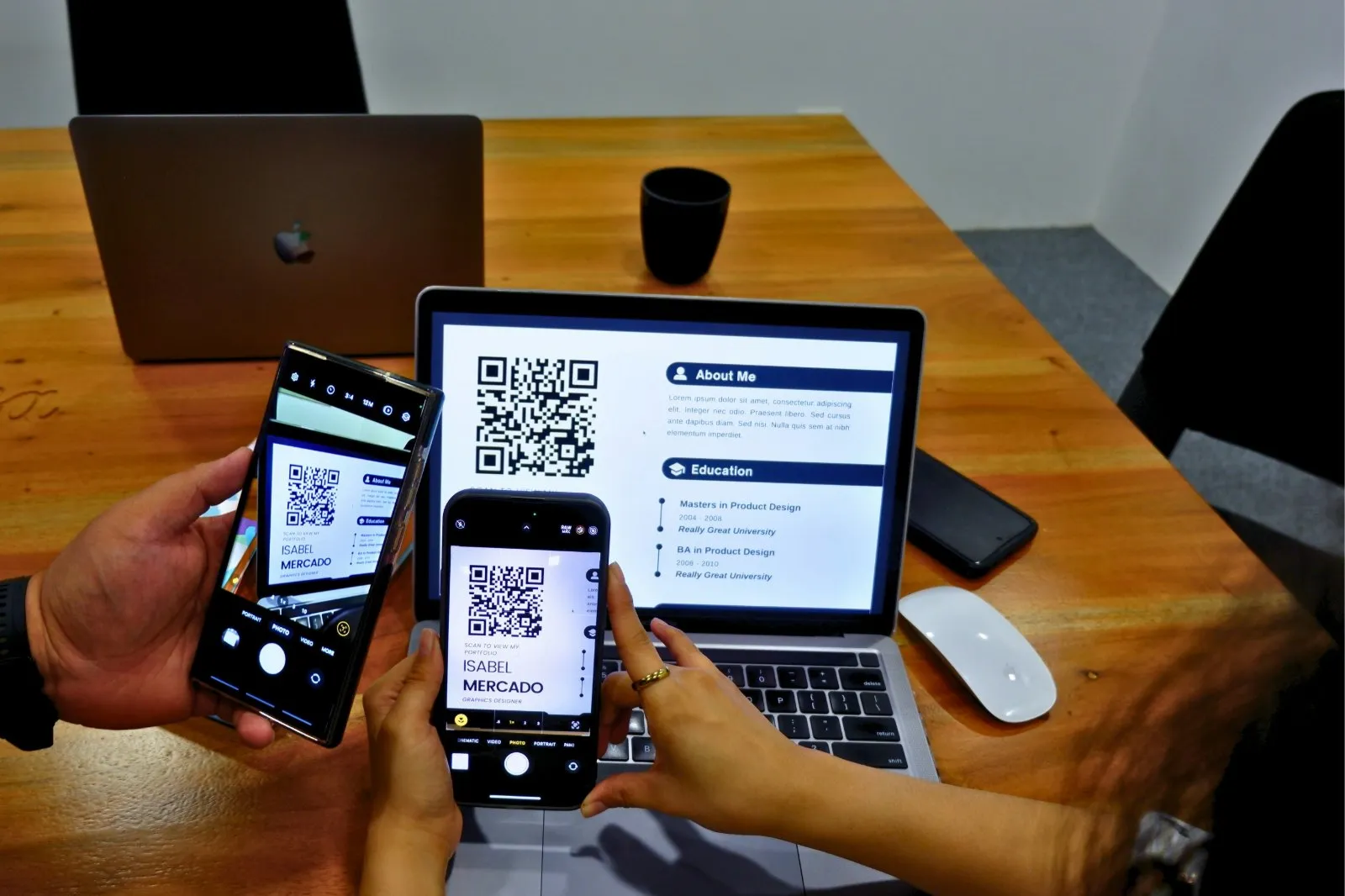
A data-only eSIM is the simplest choice for a short trip: buy online, scan a QR code, connect on arrival. LG U+ says its eSIM works right after you scan the QR code, and KT sells data-only and “all-in-one” plans that include calls and texts, as reported by Korea JoongAng Daily.
Limits to know:
- No outgoing calls or texts. On LG U+ data-only products, you can receive calls and texts but not make or send them. SMS verification is not available.
- Usually no top-up to voice. LG U+ says you can’t add voice to a data-only eSIM later. You would need to buy a Data+Voice product.
- Don’t delete it. Once an eSIM is activated, LG U+ says it can’t be reinstalled or reissued.
Prepaid SIM or eSIM with a Korean number
Visitor plans with data plus voice give you a 010 number, the standard Korean mobile prefix. You can call restaurants and taxis, and receive SMS codes for many apps. For example, SKT data-plus-voice eSIMs sold to visitors issue a 010 number once you verify your passport online or at an airport roaming center.
That product’s limits are typical of visitor plans:
- Korean passports, including dual citizens, are not accepted for the voice part.
- Voice is not available to people staying more than 90 days.
- One eSIM per passport, no extensions.
- ARC linking and identity verification services are not available.
Rules differ by product, so read the FAQ. LG U+ sells its Data+Voice physical SIM at the airport only and allows up to three SIMs per passport.
Airport pickup and pocket Wi-Fi
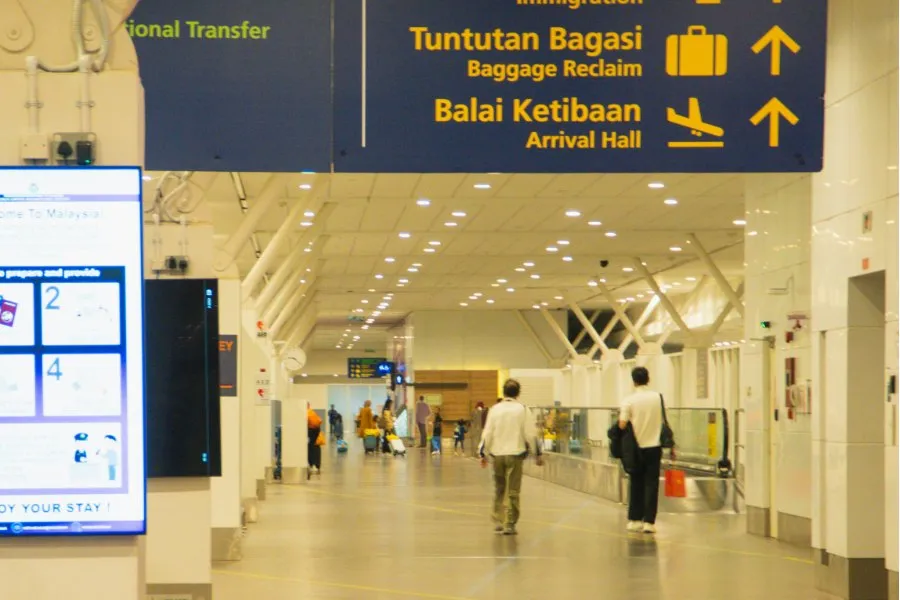
Carriers run counters at the main airports. LG U+ lists centers at Incheon, Gimpo and Gimhae for SIM pickup, activation and rentals.
A pocket Wi-Fi router suits groups or locked phones. LG U+ says one router connects up to 10 devices, though speed drops with more users. You need a passport, plus a credit card in the same name for on-site rental. You must return it, and keep it charged and with you.
Roaming
Roaming needs no setup and keeps your home number, so your bank’s codes still arrive. It is often the priciest option per gigabyte and gives no Korean number. Check your carrier’s daily pass first.
Plans for residents: prepaid, MVNO and postpaid
If you are staying more than 90 days, you are generally required to register as a foreign resident. Once you have your residence card, you can open a normal line in your own name.
- Passport-based prepaid. You can get one right after arrival, and it may come with a 010 number, calls, texts and data. The Korea Herald advises checking whether it supports mobile identity verification and whether the number can later be moved to your residence card registration. Don’t assume it will carry over.
- Postpaid or installment plans. These typically need your residence card, passport, a payment method and a compatible phone. Your visa type and the time left on your stay can affect whether you qualify.
- MVNOs (알뜰폰). Budget carriers run on the big three’s networks and often cost less. Some accept foreigners. Check what ID they accept and whether the line supports identity verification.
You’ll give this number to landlords and banks, so set it up early. See our guide to renting an apartment in Korea.
Two safety notes. Never lend your passport or residence card to anyone, or let someone open a line in your name. Korea’s free Msafer service (엠세이퍼) alerts you when a line is opened in your name; use only its official site, since phishing texts copy it.
ID checks at activation are also getting stricter. Facial verification became official for phone activations on July 6, 2026, and the government said it would apply upgraded ID checks to foreigners in stages (news report), so expect the process to change.
Will your phone work?
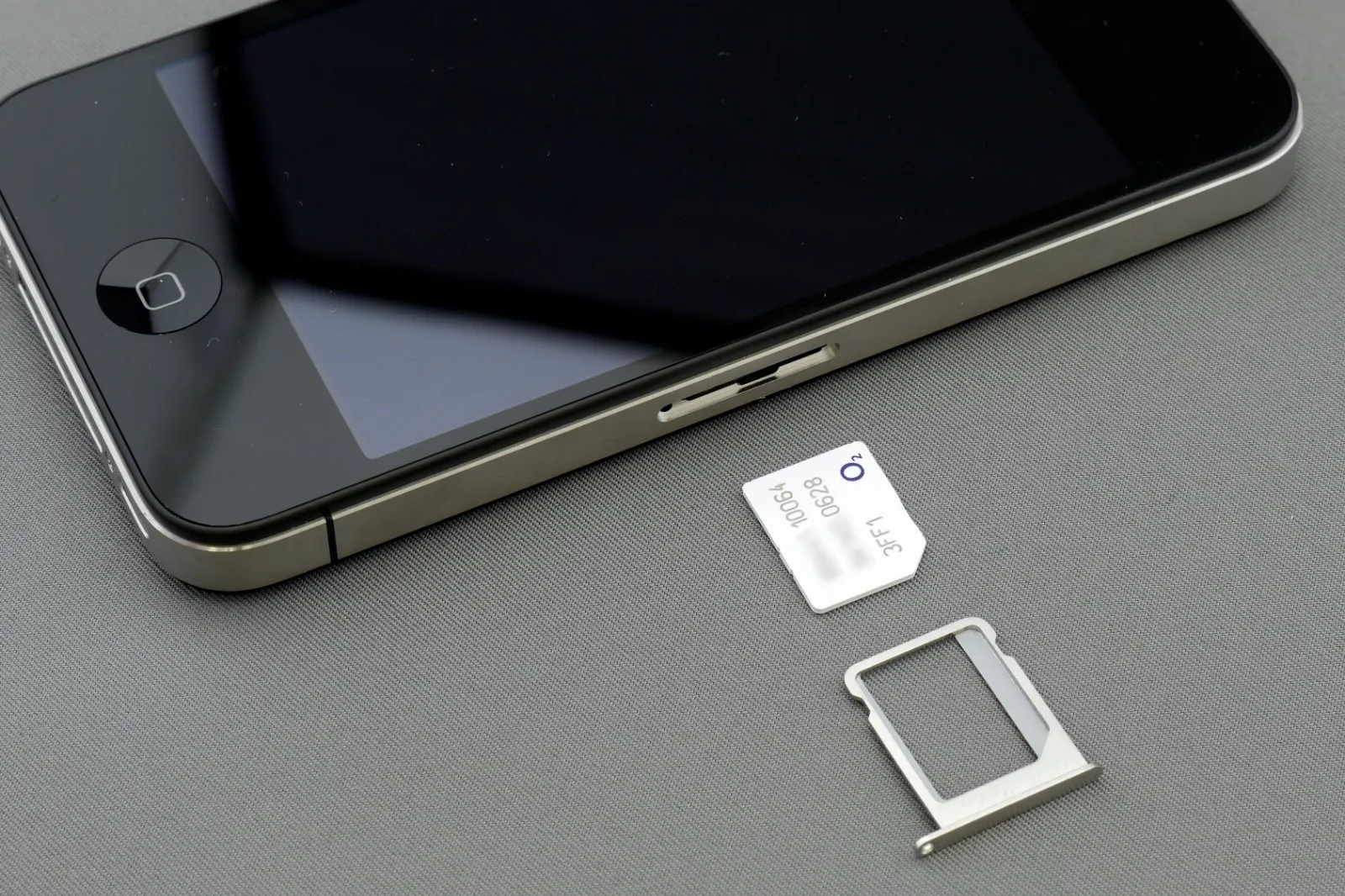
Two things to check before you fly:
- Unlocked. Korean SIMs and eSIMs need an unlocked phone. If yours is carrier-locked, ask your carrier to unlock it before you leave.
- eSIM support. Dial *#06#. If you see an EID number, the phone supports eSIM. Some carriers don’t support certain brands or models, so check the provider’s compatibility list.
Fail either check? Use a physical SIM, pocket Wi-Fi or roaming.
Comparison table
| Option | Korean number? | ID needed | Best for |
|---|---|---|---|
| Roaming | No | None | Very short trips, keeping your home number |
| Data-only eSIM | No | Purchase details; passport at counters | Trips of a few days to a few weeks |
| Visitor Data+Voice SIM/eSIM | Yes (010), SMS codes only | Passport | Tourists who need to call or get app codes |
| Pocket Wi-Fi | No | Passport + credit card | Groups, locked phones |
| Passport prepaid (carrier or MVNO) | Yes | Passport | First weeks before your residence card |
| Postpaid / resident plan | Yes, full verification | Residence card, passport, payment method | Long-term residents |
How to choose by stay length
One-week trip. A data-only eSIM covers most people. Pick Data+Voice if you want to call restaurants or get SMS codes.
About three months. A visitor Data+Voice plan or a passport-based prepaid line. Check the maximum duration, since some visitor voice plans exclude stays over 90 days.
Long-term resident. Use a passport prepaid line at first if needed, then move to a residence-card line and update your number with your bank and apps.
Only in Korea
Why does almost every Korean mobile number start with 010? Before 2004, the prefix told you the carrier: 011 meant SK Telecom, 016 meant KTF (now KT) and 019 meant LG Telecom (now LG U+). Starting in 2004, new subscribers all got one shared prefix, 010, to make numbers simpler; smaller carriers had also complained that 011 worked like a brand they couldn’t match. The old numbers were phased out over the following years, so today 010 simply means “mobile.”
Korea also raced to be first with 5G. The three carriers switched on their 5G smartphone networks at 11 p.m. on April 3, 2019, two days earlier than planned, to stay ahead of a U.S. launch by Verizon. Korea’s science minister called it the world’s first commercial 5G service.
Quick checklist
- Confirm your phone is unlocked
- Dial *#06# to check for eSIM support
- Decide whether you need a 010 number or just data
- Bring your passport (and a credit card for rentals)
- Residents: plan a switch to a residence-card line
- Sign up for Msafer once you have a Korean line
This article is general information, not legal or financial advice. Plans and requirements change; check with the provider. As of October 2026.